Trying to decide between a waterfront home and an inland home on Marco Island? That choice can shape not just your budget, but also how you use the property day to day. If you are weighing boating access, carrying costs, flood considerations, or rental flexibility, it helps to look past the postcard view and focus on the real tradeoffs. Let’s dive in.
Marco Island price differences
On Marco Island, the gap between waterfront and inland pricing is significant. In a January 2026 MLS-based market report covering Marco Island and Key Marco, direct-waterfront single-family homes averaged about $3.145 million, indirect-waterfront homes averaged about $1.886 million, and inland homes averaged about $1.099 million.
That means direct waterfront averaged roughly three times the price of inland homes. For many buyers, that price spread is the clearest starting point. You are not just paying for square footage or finishes. You are often paying for dock access, water views, and a different ownership experience.
Waterfront tiers matter
Not all waterfront homes offer the same value or function. On Marco Island, direct waterfront and indirect waterfront sit in different price tiers, and they can also deliver different boating experiences.
Indirect waterfront often lands in the middle ground for buyers who want some connection to the water without paying the full premium for direct access. That same January 2026 report also showed indirect waterfront with the tightest supply of the three segments, which may matter if you want a balance of price and lifestyle.
What direct waterfront offers
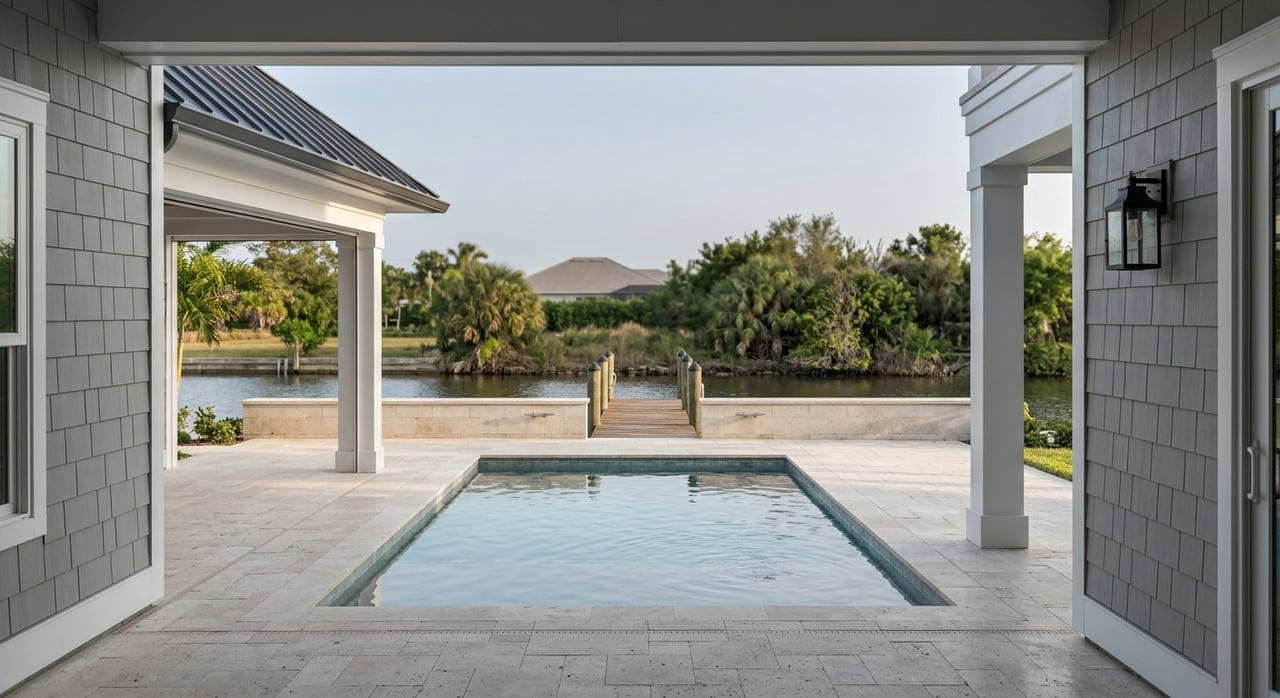
Direct waterfront is usually the top-tier choice for buyers who want the full canal-and-dock lifestyle. The City of Marco Island describes the island as a canal community, and much of the island’s water access comes through that canal system.
For the right buyer, that setup can mean keeping a boat in your backyard and heading out toward the Marco River or the Gulf. It can also mean stronger appeal if your goal is to prioritize views, boating convenience, and the classic coastal experience many second-home buyers want.
What inland homes offer
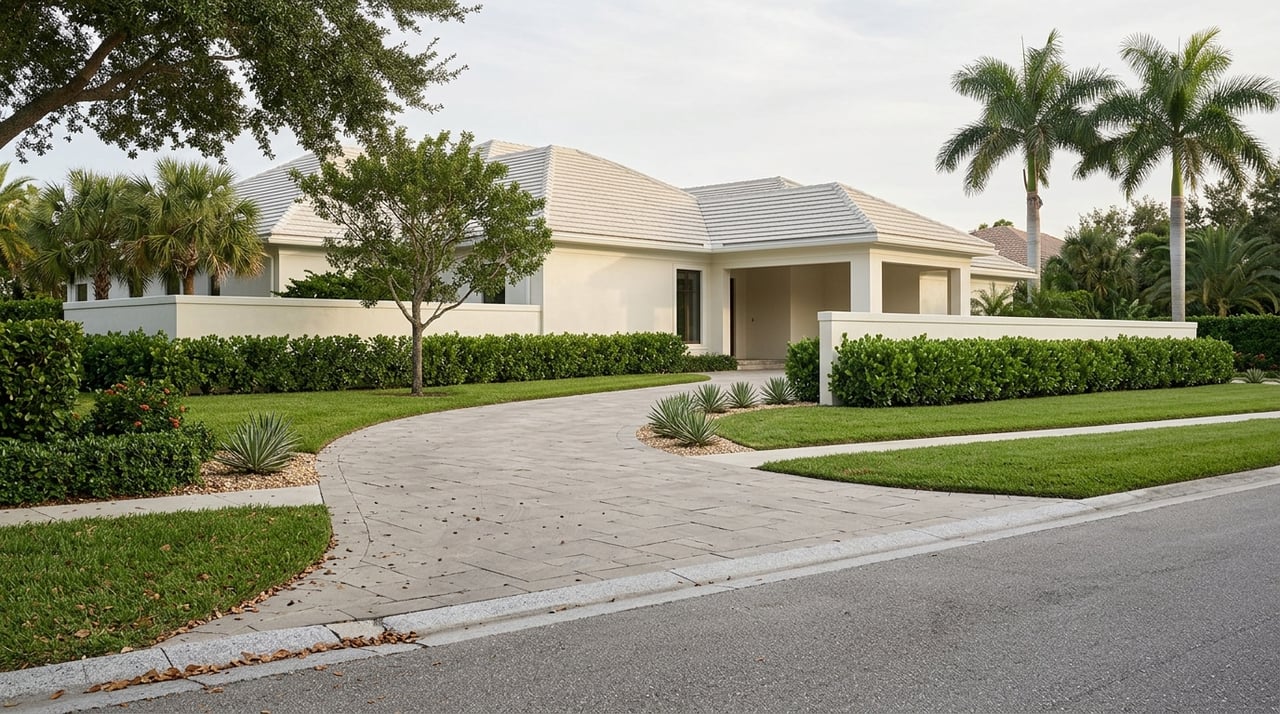
Inland homes usually appeal to buyers who want a lower entry point and simpler ownership. On an island that is only about 6 by 4 miles, being inland does not mean being far away from beaches, dining, or other island amenities.
That can be a strong advantage if your priority is being on Marco Island without taking on the full cost and maintenance profile of a waterfront property. You may give up the backyard dock, but you can still stay close to the broader island lifestyle.
Boating access is not automatic
One of the biggest mistakes buyers make is assuming every waterfront home offers equally easy boating. On Marco Island, the city notes that many boaters must pass under one, two, or even three bridges before reaching the Marco River or the Gulf.
That is why the listing label alone is not enough. If you own a boat or plan to buy one, the exact route, bridge clearance, and boat size matter. The city publishes approximate clearances for 14 bridges, and that information can be central to whether a home truly fits your boating plans.
Check the route before you buy
A waterfront property can look ideal on paper and still be a poor match for your vessel. The city also notes that idle-speed and no-wake rules apply in canals, bays, and within 500 feet of seawalls, so convenience at the dock does not mean fast open-water access from the moment you leave home.
Before you make an offer, it is wise to confirm:
- Whether the home is direct or indirect waterfront
- How many bridges sit between the dock and open water
- Approximate bridge clearances on the route
- Whether your boat size and height fit the route
- The condition and function of the dock and seawall
Flood concerns apply island-wide
Some buyers assume inland homes avoid most flood concerns. On Marco Island, that is not the case. The city states that every property is in, on, or near a Special Flood Hazard Area.
The current flood insurance rate map effective date is February 8, 2024, and the city says the flood zones affecting Marco Island include AE and VE. It also notes that all structures are subject to floodplain review during permitting, and elevation certificates are part of that review.
Waterfront usually needs deeper review
Waterfront homes often require the closest scrutiny because of their direct relationship to canals, seawalls, and water exposure. Still, inland buyers should not assume they are outside the flood conversation simply because they are away from the seawall.
The city also notes that pre-1979 homes are considered pre-FIRM, which can matter when buyers, sellers, and insurers review compliance. If you are comparing older inland and waterfront properties, that detail can become part of your due diligence.
Insurance questions to ask early
Most homeowners insurance policies do not cover flood damage, and flood coverage is generally purchased separately. The city advises buyers and insurers to verify that policies are rated against the current map before a sale closes.
That makes early review important, especially if you are comparing homes with very different elevations, ages, or waterfront positions. In practical terms, you want a clear picture of flood zone, elevation certificate availability, and insurability before you get too far into negotiations.
Ownership complexity is different
A waterfront home can offer a premium lifestyle, but it often comes with more moving parts. The city’s waterways guidance highlights issues tied to water quality, safe boating and navigation, and seawalls and docks.
That matters because ownership is not just about enjoying the view. It may also mean paying closer attention to marine infrastructure and maintenance. Inland homes often feel simpler in that respect, even if they still require the same careful property review as any Florida home.
Rental potential depends on the property
For buyers thinking about occasional rental income, both waterfront and inland homes can be worth a look, but your assumptions should stay grounded in the rules. Marco Island’s visitor patterns suggest the peak season runs from December through April, while summer is generally quieter and more price-friendly.
Homes with boating access, views, or easy beach access may line up well with what many seasonal visitors want. Still, that does not mean every property will function equally well as a short-term rental.
Marco Island rental rules to know
The City of Marco Island says a vacation rental is a dwelling rented more than three times in a calendar year for less than 30 days, or a dwelling advertised as regularly rented. The city also says rental registration is no longer required as of October 2, 2023.
At the same time, you still need to verify property-specific restrictions. HOA or condo rules, parking requirements, nuisance enforcement, and noise rules can all affect how a home may be used. The city specifically says its noise ordinance applies to single-family residences operating as vacation rentals.
How to choose the right fit
The best choice usually comes down to how you want to live on Marco Island. If boating, dock access, water views, and a premium coastal setting sit at the top of your list, waterfront may justify the added cost and complexity.
If you would rather keep your purchase price lower, simplify ownership, and still enjoy easy access to island amenities, inland may be the more practical match. Neither option is automatically better. The better option is the one that fits your priorities, budget, and tolerance for maintenance and risk.
A practical home search checklist
As you compare homes, focus on the details that affect daily use and long-term costs. On Marco Island, these checks can help you make a more confident decision:
- Compare direct waterfront, indirect waterfront, and inland pricing
- Confirm boating route and bridge clearance if water access matters
- Review flood zone and elevation certificate information
- Evaluate seawall and dock condition where applicable
- Ask about insurance considerations before closing
- Verify any HOA, condo, parking, or rental restrictions
- Match the property to your real use case, not just the listing photos
A well-chosen inland home can be a smart island buy. A well-chosen waterfront home can be an exceptional lifestyle purchase. The key is understanding what you are really buying beyond the address.
If you want a measured, experienced perspective as you compare Marco Island waterfront and inland homes, Michael Viano can help you sort through the practical details and find the right fit for your goals.
FAQs
How much more do waterfront homes cost than inland homes on Marco Island?
- In a January 2026 MLS-based report for Marco Island and Key Marco, direct-waterfront single-family homes averaged about $3.145 million, compared with about $1.099 million for inland homes, while indirect waterfront averaged about $1.886 million.
Are inland homes on Marco Island outside flood zones?
- No. The City of Marco Island says every property on the island is in, on, or near a Special Flood Hazard Area, so inland location does not remove flood considerations.
Does a waterfront home on Marco Island always mean easy Gulf access?
- No. The city says many boating routes require passing under one, two, or even three bridges, so bridge clearance and route details should be checked before you buy.
Can a Marco Island home be used as a short-term vacation rental?
- Potentially, yes, but you still need to confirm property-specific restrictions such as HOA rules, parking, nuisance standards, and noise rules, even though the city says rental registration is no longer required.
What should buyers compare when choosing between waterfront and inland homes on Marco Island?
- Focus on price, boating access, bridge clearance, flood zone, elevation certificate, seawall or dock condition, insurance questions, and any rental or community restrictions tied to the specific property.