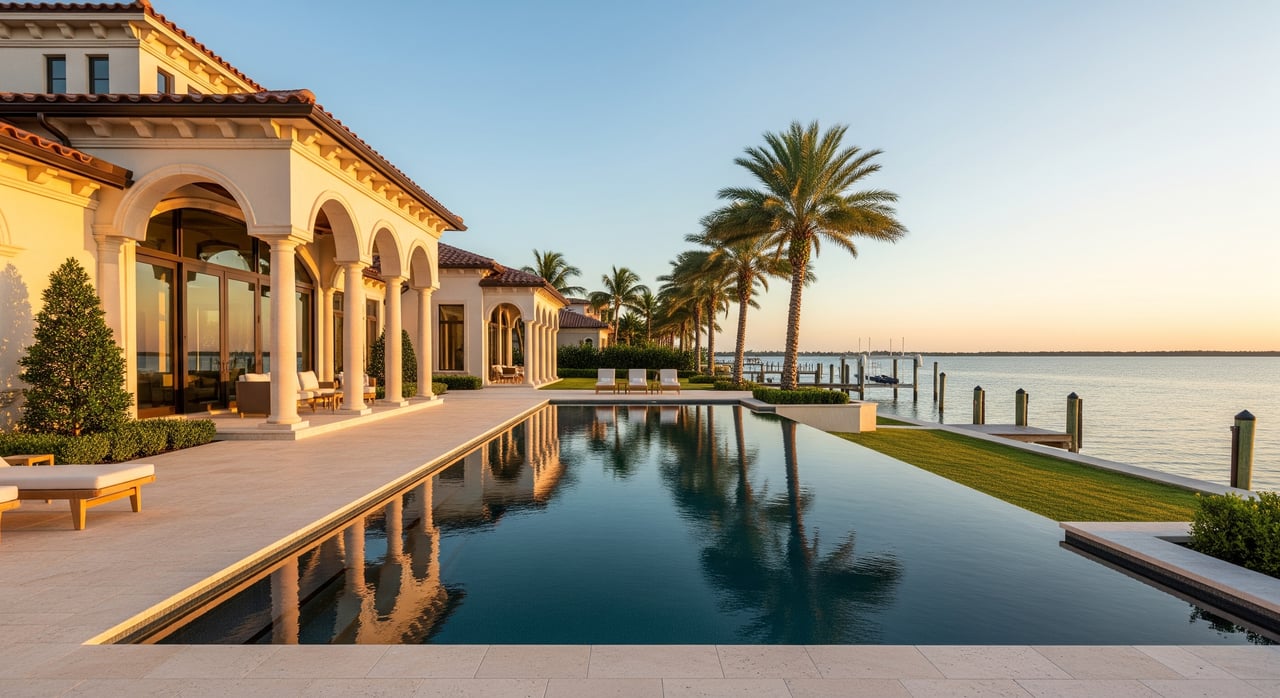
Thinking about a Naples place you can enjoy every winter and visit year-round? You’re not alone. Seasonal buyers and second‑home owners shape this market, which means timing, product type, and HOA rules matter as much as price. In this guide, you’ll learn how the Naples market works, what to watch in each season, and how to choose between condos, single‑family homes, and golf communities with confidence. Let’s dive in.
Quick snapshot of the Naples market
Naples runs on a seasonal rhythm. Inventory typically builds in late fall through spring when snowbirds arrive, and buyer activity rises alongside new listings. In summer and early fall, the pace slows and inventory can thin out. Because Naples has a meaningful luxury segment, use median prices to gauge direction, and look at months of supply and days on market to understand leverage. For reliable figures, review monthly updates from local MLS summaries and the Naples Area Board of REALTORS (NABOR), and always note the month and year when you compare trends.
What buyers should know right now
- Supply moves with the seasons. You’ll see more options from November to April, especially in condos and amenity-rich communities.
- Days on market tend to shorten in peak winter months for well-priced homes. Unique or ultra‑luxury properties can take longer.
- Financing varies by segment. Jumbo loans are common at higher price points, and cash remains frequent in luxury purchases.
- Insurance planning is essential. Get quotes for wind, hurricane, and flood coverage early, and confirm a property’s flood zone using FEMA and county resources.
- HOA and condo rules drive value. Review reserves, potential special assessments, rental restrictions, pet policies, and age or guest rules before you offer.
Pricing tiers explained
Naples spans from value‑oriented condos to ultra‑luxury waterfront estates. Instead of chasing a single number, focus on features and fit.
- Entry level and value: Often smaller condos or older inland homes that may need updates. These can be great “lock‑and‑leave” options for first‑time second‑home buyers who want low maintenance and access to amenities.
- Mid‑market: Renovated single‑family homes in established neighborhoods, and larger condos with desirable locations or views. Many seasonal buyers land here for balanced space, amenities, and ease of ownership.
- Upper tier: Golf‑course homes, newer custom builds, and well‑located towers with strong amenity packages. Buyers prioritize club access, floor plans, and long‑term livability.
- Luxury and ultra‑luxury: Prime Gulf-front and private waterfront estates. This segment follows its own tempo, often with longer marketing periods and a higher share of cash buyers.
Seasonality and timing strategies
The best time to shop depends on your goals.
- High season (roughly November to April): You’ll see the most listings and the most community activity. It’s ideal for comparing neighborhoods, clubs, and amenities. Come prepared with pre‑approval or proof of funds so you can act quickly on a standout home.
- Low season (roughly June to September): Buyer traffic slows, which can reduce competition. The tradeoff is thinner inventory and fewer direct comparisons. If you are flexible, this can be a good window for negotiation.
- Contract timing: If you plan to rent during peak winter, align your search and closing with rental demand. Owners who rent seasonally often generate the majority of their short‑term rental revenue in winter months, subject to community rules.
Condos vs single‑family vs golf communities
Each option offers a distinct ownership experience. Match the product to how you’ll use the home.
Condominiums
- Pros: Lower maintenance, bundled amenities like pools and security, and easy lock‑and‑leave convenience. Popular for seasonal use and potential winter rentals where allowed.
- Watch‑outs: HOA fees and special assessments, reserve levels, rental rules, guest policies, and any age restrictions. Some lenders use stricter underwriting for certain condo projects.
Single‑family homes
- Pros: Privacy, space, and greater control over property updates. Waterfront homes can offer boating or private dock access.
- Watch‑outs: Higher insurance and maintenance. For waterfronts, evaluate seawall condition and dock responsibilities. Confirm roof, A/C, shutters, or impact glass to understand storm resilience.
Golf and country club communities
- Pros: Amenities, social networks, fitness and dining, and golf access. Many buyers choose communities for club membership and lifestyle.
- Watch‑outs: Membership type (equity vs non‑equity), initiation fees, ongoing dues, capital projects, and rental restrictions. Some clubs restrict short‑term rentals, which affects income potential.
Practical checklist before you make an offer
Use this quick list to reduce surprises and keep negotiations efficient.
- Insurance and flood
- Request quotes for homeowners, wind/hurricane, and flood coverage early.
- Verify flood zone status with FEMA and Collier County resources.
- Financing
- Obtain a current pre‑approval, especially for jumbo loan amounts if applicable.
- If buying a condo, confirm lender project eligibility and reserve requirements.
- HOA and condo diligence
- Review bylaws, rules, rental restrictions, pet policies, and guest rules.
- Examine financial statements, reserve studies, board minutes, and any pending litigation or assessments.
- Inspections and property condition
- Prioritize roof age, HVAC, plumbing, electrical, hurricane protection (shutters or impact glass), and for waterfronts, seawall and dock condition.
- Consider specialty inspections if needed based on property features.
- Taxes and exemptions
- Use Collier County Property Appraiser resources for tax estimates.
- Confirm whether you qualify for the Florida homestead exemption if this will be your primary residence.
- Short‑term rental feasibility
- Verify county and HOA rules, registration or local tax requirements, and realistic seasonal occupancy and rates for your micro‑market.
- Ownership logistics
- Plan for remote closing if you’re out of town. Arrange property management, housekeeping, and seasonal services in advance.
Neighborhood snapshots to help you focus
These areas are commonly on second‑home shortlists. Your final choice should fit your lifestyle, membership goals, and maintenance preferences.
- Old Naples: Walkable downtown, dining, galleries, and beach access with a classic coastal vibe.
- Port Royal: Ultra‑luxury waterfront estates with yacht and dock options.
- Pelican Bay: Broad amenity base with tram access to beach facilities and a mix of condos and single‑family.
- Grey Oaks: Private club and high‑end golf experience with fitness and dining.
- Mediterra: Gated country‑club living with membership options and newer homes.
- Bay Colony: Private, secure enclave with high‑end condos and single‑family homes.
- Vanderbilt Beach and North Naples: Popular beach‑area condos with strong seasonal appeal.
- East Naples neighborhoods: A range of inland single‑family options and value opportunities.
How to compare options like a pro
When two homes look similar on paper, use these tie‑breakers.
- Ownership costs: Compare HOA fees, club dues, insurance, utilities, and expected maintenance.
- Resale drivers: Views, beach/golf access, floor plan functionality, parking, and storage often drive value.
- Flexibility: If seasonal renting matters, confirm minimum lease terms, number of leases allowed per year, and blackout periods.
- Risk tolerance: Assess flood zone, elevation, age of major systems, and hurricane protections.
A smart plan for out‑of‑town buyers
If you split time across states, a clear plan saves trips and time.
- Pre‑visit prep: Narrow to a few communities and property types, get pre‑approval or proof of funds, and line up insurance quotes.
- On‑the‑ground: Tour homes and clubs during high season to see amenities in full use. If you must buy in summer, ask for recent winter photos or amenity calendars to understand peak experience.
- Contract to close: Use remote closing options and schedule inspections early to keep your timeline intact.
Work with a trusted local advisor
Naples rewards preparation and local expertise. A seasoned advisor can help you read months‑of‑supply and days‑on‑market trends, navigate HOA and club documents, and line up the right inspections and insurance quotes before you offer. If you’re coordinating a New England sale with a Naples purchase, cross‑market experience matters even more.
Work With Michael: If you’re considering Naples as a seasonal home or investment, Michael Viano can provide a current market snapshot for the neighborhoods you’re watching, arrange private tours during high season, and connect you with trusted insurance and property‑management resources. Reach out for a personalized plan and neighborhood match.
FAQs
When is the best time to buy in Naples?
- Visit in high season to compare the most listings and see communities at full activity. Low season may offer less competition but with fewer options.
Are condos easier for snowbirds than single‑family homes?
- Often yes due to lower maintenance and bundled amenities, but review HOA reserves, rules, and any rental restrictions before you commit.
How do insurance and flood zones affect affordability in Naples?
- Premiums and deductibles can materially change carrying costs. Verify flood zone status and get insurance quotes early in your search.
Do golf communities in Naples hold value better?
- Many command premiums for amenities and lifestyle. Long‑term performance depends on broader market cycles, membership health, and community investments.
Can I rent my Naples home for the winter season?
- Possibly. Rules vary by county and HOA, and some communities limit or prohibit short‑term rentals. Confirm minimum lease terms and approvals in advance.