Thinking about selling your luxury home in Westwood? You want a smooth process, strong offers, and a result that reflects the time and care you have invested in your property. With the right plan, you can showcase your home to qualified buyers and move on your ideal timeline. In this guide, you will learn how to prep, price, market, and negotiate like a pro. Let’s dive in.
What “luxury” means in Westwood
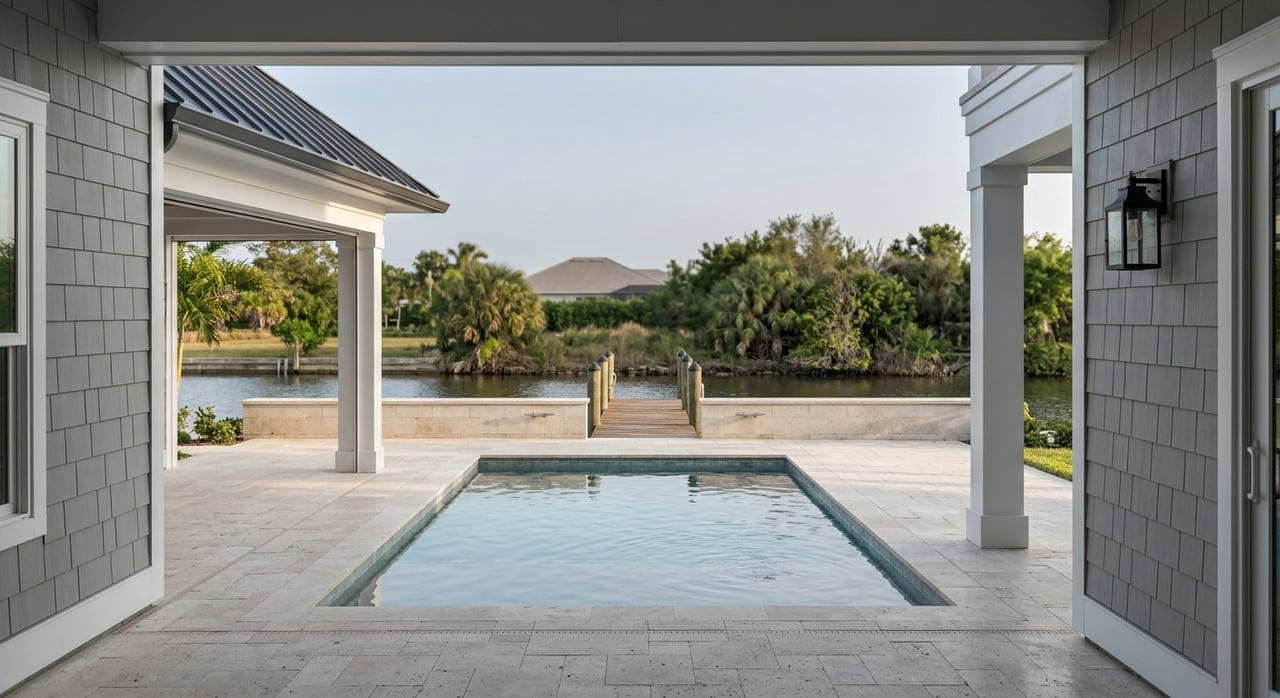
Luxury in Westwood generally refers to homes in the top tier of the local market. These properties often sit on larger lots, feature premium finishes, and offer unique amenities like pools, guest quarters, or long private drives. In practical terms, many Westwood luxury listings are priced in the low to mid seven figures or higher.
Comparable nearby markets include Wellesley, Needham, Dover, Newton, and Weston. Buyers often compare across these towns, so your pricing, condition, and presentation should stand up well against that competitive set.
Time your listing
Spring is the most active season in Greater Boston. Listing from April through June can deliver high visibility as more buyers enter the market. That said, exceptional homes sell year‑round. Your timing should reflect your personal plans, local inventory, and how ready your property is to shine.
If you aim for spring, start planning well in advance. Use winter to complete inspections, address repairs, and gather documents so you can hit the ground running when buyers are most active.
Know your buyer priorities
Luxury buyers in Westwood tend to focus on privacy, lot size, and overall condition of core systems like roof, HVAC, and electrical. Many also value finished lower levels for entertaining, outdoor living spaces, and home technology. Commuting access to Boston and the Route 128/I‑95 corridor is a frequent priority as well.
Families often pay close attention to neighborhood context and public schools. Keep your language neutral and provide factual documentation about the property and local resources when appropriate.
Legal and compliance essentials in Massachusetts
Luxury buyers expect clean documentation. Getting ahead of these items helps you avoid delays:
- Lead‑based paint disclosure for homes built before 1978. Provide the federal disclosure form and any records of testing or remediation, along with the EPA pamphlet.
- Title V septic inspection if your home uses a private septic system. If issues arise, you can repair, credit the buyer, or negotiate terms.
- Smoke and carbon monoxide alarm compliance. Massachusetts sets specific types and placement. Ensure your home meets current standards before closing.
- Permits and certificates. Collect permits and final inspection sign‑offs for additions, renovations, pools, and accessory structures.
- Environmental considerations. Disclose any underground oil tanks and obtain closure documentation if applicable. If your lot may be affected by wetlands or floodplain rules, review local guidelines.
- Seller disclosures and taxes. Massachusetts requires disclosure of known material defects and compliance with federal rules. Plan for customary closing costs, and speak with a closing attorney and tax advisor about capital gains and timing.
Pre‑listing inspections and documents
For high‑value homes, pre‑listing diligence builds confidence and reduces friction.
Recommended inspections
- General home inspection covering structure, roof, basement, HVAC, plumbing, and electrical
- Roof and chimney evaluation, plus estimates if needed
- HVAC service and maintenance reports
- Pest and wood‑destroying organism inspection if relevant
- Pool or spa inspection and service history
- Septic Title V or, if on sewer, a dye test where appropriate
- Structural engineer review for unique spans, retaining walls, or hillside sites
- Survey or boundary confirmation if lot line questions exist
- Energy audit or efficiency documentation for major appliances and insulation
Assemble your listing packet
Gather recent utility bills, real estate tax bills, past surveys, HOA or covenant documents if any, contractor invoices, system and appliance warranties, permitted drawings, and any municipal certificates. Aim to start inspections and document collection 6 to 12 weeks before your target list date.
Pricing strategy that fits Westwood
Luxury pricing is both art and data. Because direct comps can be scarce, you want a multifaceted approach.
Build a smarter CMA
Look at recent closed sales in Westwood and cross‑check with high‑end sales in Wellesley, Needham, Dover, and Newton. Review price per finished square foot, but adjust for lot size, privacy, finishes, outdoor spaces, and amenities. Track days on market for luxury listings and scan active and pending inventory to gauge current demand.
Choose your pricing tactic
- Market‑rate pricing positions your home competitively and signals value.
- Aggressive underpricing can spark attention and multiple offers, but may not be ideal for unique estates where buyers value exclusivity.
- Overpricing often leads to extended days on market and buyer skepticism. Luxury buyers compare closely and expect price integrity.
- Off‑market exposure may protect privacy but can limit competition. A hybrid plan can begin with selective outreach to vetted brokers and relocation networks before going fully public.
Anticipate appraisal needs
High‑end properties can require more nuanced appraisals. Provide appraisers with your inspection results, upgrades list, and relevant comps to support value. This preparation can help the deal stay on track when lenders request additional documentation.
Plan your net
Ask for a projected net sheet that estimates proceeds after commissions, repairs, taxes, and closing costs. You can then calibrate pricing and concession strategies to meet your financial goals.
Prepare the property for luxury buyers
Luxury buyers notice everything. Focus on projects with high perceived value and clean documentation.
Maximize curb appeal
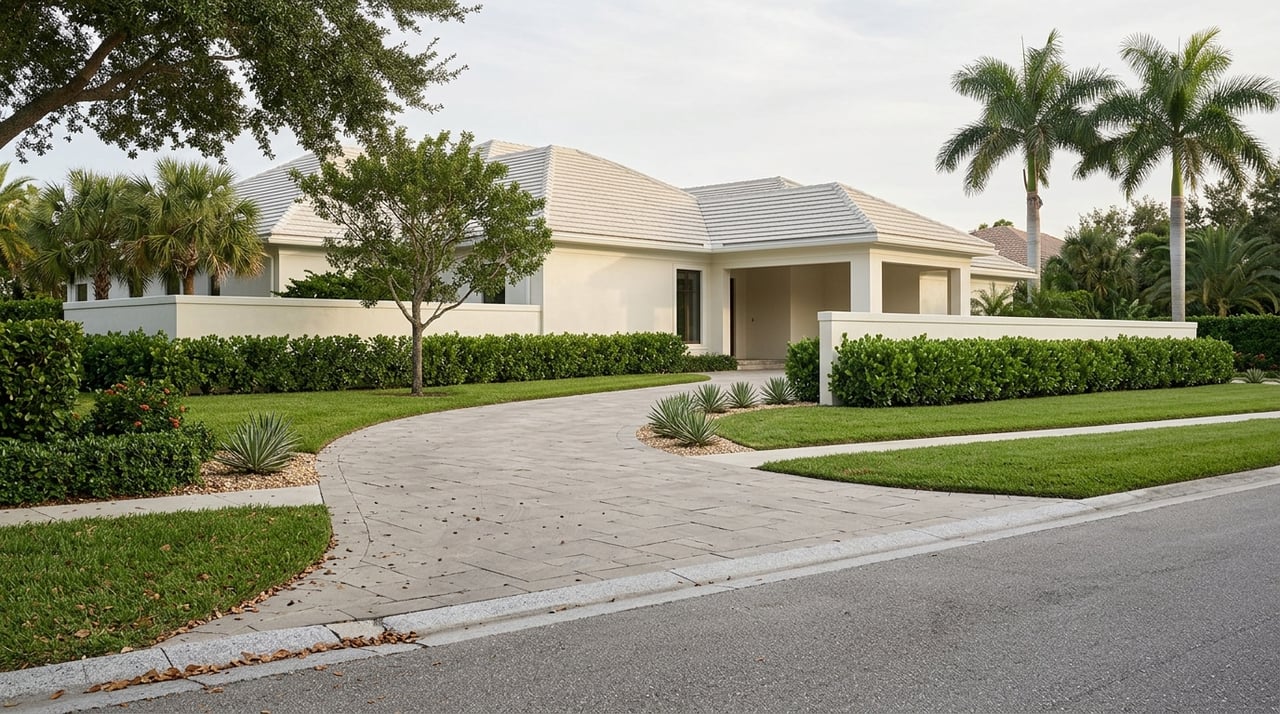
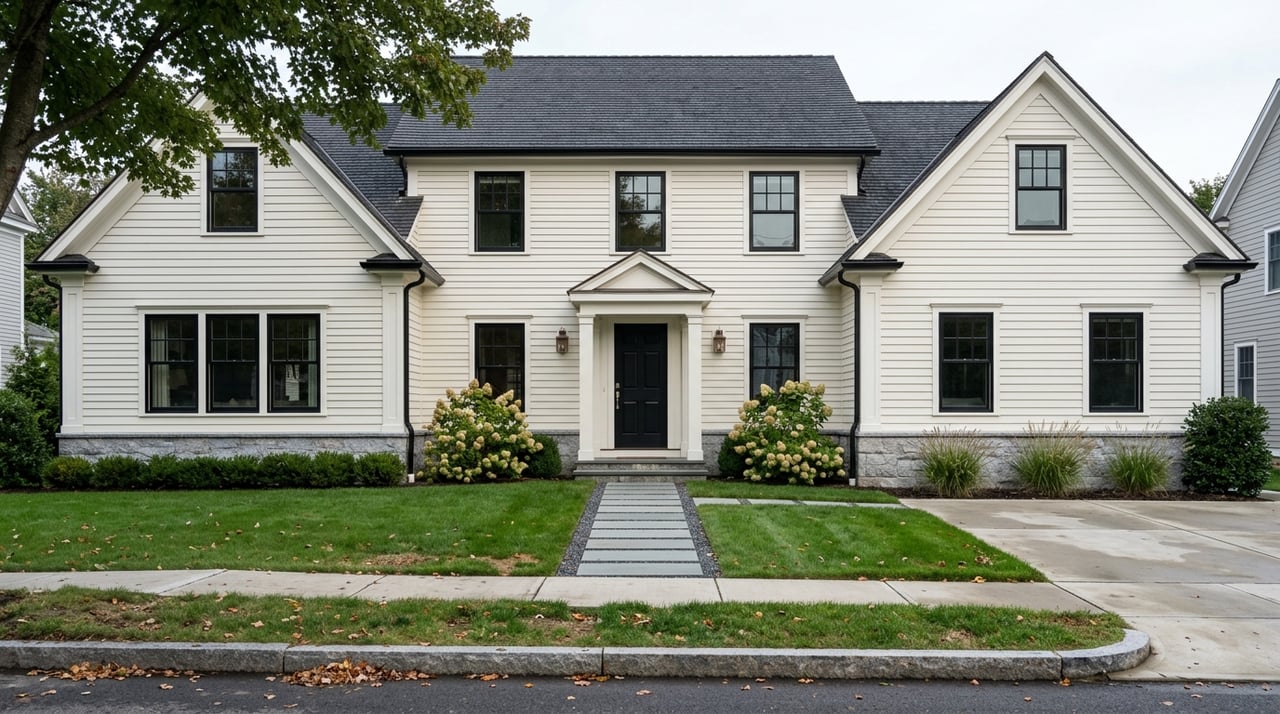
Fresh landscaping, trimmed shrubs, new mulch, and professional lawn care create a strong first impression. Power wash siding and hardscapes, paint the front door and trim, update house numbers and lighting, and repair or seal the driveway. These modest investments help your photos and showings stand out.
Refresh the interior
Neutral paint, deep cleaning, and professional window cleaning brighten the space. Repair minor trim issues, replace dated light fixtures, and update hardware in kitchens and baths. If your kitchen or baths need more attention, targeted cosmetic updates can be effective. Major remodels rarely pay off close to listing unless they are essential to compete.
Service the systems
Provide recent maintenance for the boiler or furnace, central AC, hot water heater, sump pumps, septic, and pool equipment. Keep service records handy. Buyers feel more confident when they see evidence of care.
Stage for impact
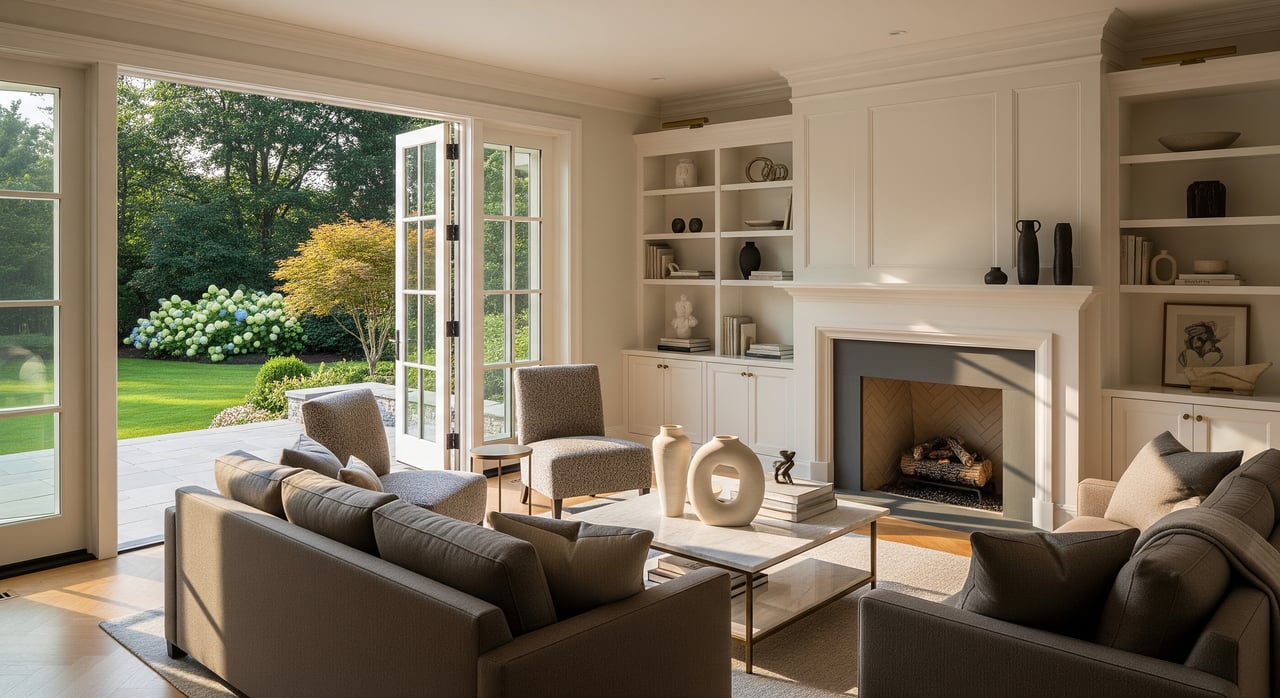
Staging helps buyers visualize scale and flow. Elegant, right‑sized furniture in formal living areas, inviting primary suites, and a polished home office can elevate perceived value. For marketing, expect high‑resolution photos, aerial drone views for acreage and setting, twilight shots, floor plans, and a 3D walkthrough or high‑quality video tour. A concise property website and printed brochure can reinforce your home’s story.
Protect privacy and valuables
Secure or remove valuables before showings. Establish showing protocols with your agent, including accompanied appointments and pre‑qualification where appropriate.
Highlight technology and access features
Document smart home automation, security systems, and integrated AV. If you have features that support aging in place (such as an elevator or main‑level suite), present them clearly. These are valuable to many downsizing or multigenerational buyers.
Marketing that reaches the right buyers
A luxury sale requires targeted exposure as well as broad reach.
- MLS distribution paired with luxury networks and relocation channels
- Broker previews and curated broker open houses to reach top local agents
- Digital ads that focus on high‑net‑worth ZIP codes, plus strong visual campaigns on social platforms
- Email outreach to regional advisors and relocation specialists
- Refined print collateral for private distribution when appropriate
For showings, many sellers prefer broker‑only tours or scheduled private appointments to protect privacy. Your approach can be tailored to your comfort level and schedule.
Offers, negotiations, and inspections
Require pre‑approval or proof of funds for buyer submissions. When interest is strong, a defined offer window can build momentum. Negotiate earnest money, inspection periods, and contingencies with care. Even with pre‑listing inspections, buyers will likely conduct their own. For significant findings, you can offer repair credits, complete targeted repairs, or adjust price.
Coordinate escrow, payoffs, and title work early. If any unique items will remain with the property, spell them out in the purchase and sale agreement to avoid ambiguity at closing.
Timeline to list with confidence
- 8 to 12 weeks out: Select an experienced Westwood luxury agent, order pre‑listing inspections, schedule Title V if needed, and gather permits and records. Identify staging and contractor needs.
- 4 to 6 weeks out: Complete high‑impact updates, deep clean, and begin staging. Draft your marketing plan and property story.
- 1 to 2 weeks out: Finalize pricing, capture professional photos, drone, floor plans, and 3D tour. Prepare brochures and your property website.
- Launch and first 2 to 3 weeks: Go live on the MLS, host a broker preview, manage qualified showings, and review offers.
- Under contract: Coordinate buyer inspections and appraisal, negotiate credits or repairs, and work with your team toward a smooth closing.
Ready to move forward
Selling a luxury home in Westwood is a high‑stakes decision, but the process becomes clear when you prepare early, price with precision, and market with intention. A senior advisor who blends deep local experience with white‑glove marketing can help you navigate each decision with confidence and discretion. If you are ready to talk timing, pricing, and the best path for your goals, connect with Michael Viano today.
FAQs
Should I renovate before selling my Westwood luxury home?
- Targeted refreshes often help, but full remodels are rarely necessary if you price appropriately. Compare the cost and timeline to the expected price lift before you commit.
Is a pre‑listing inspection worth it for high‑end homes?
- Yes. It lowers buyer uncertainty, reduces renegotiation risk, and speeds the timeline by addressing issues up front.
What is the best season to list in Westwood?
- Spring sees the most activity, but exceptional properties sell year‑round. Align timing with your readiness, local inventory, and personal plans.
Should I list off‑market for privacy?
- Off‑market can protect confidentiality but may reduce competition and price. A hybrid approach with selective pre‑market outreach can balance both goals.
What costs should I expect at closing in Massachusetts?
- Common items include brokerage commission, mortgage payoff, prorated taxes, and title or attorney fees. Ask your closing attorney and tax advisor for exact figures based on your situation.